
Industry news
Haul roads: how grade and rolling resistance set truck productivity
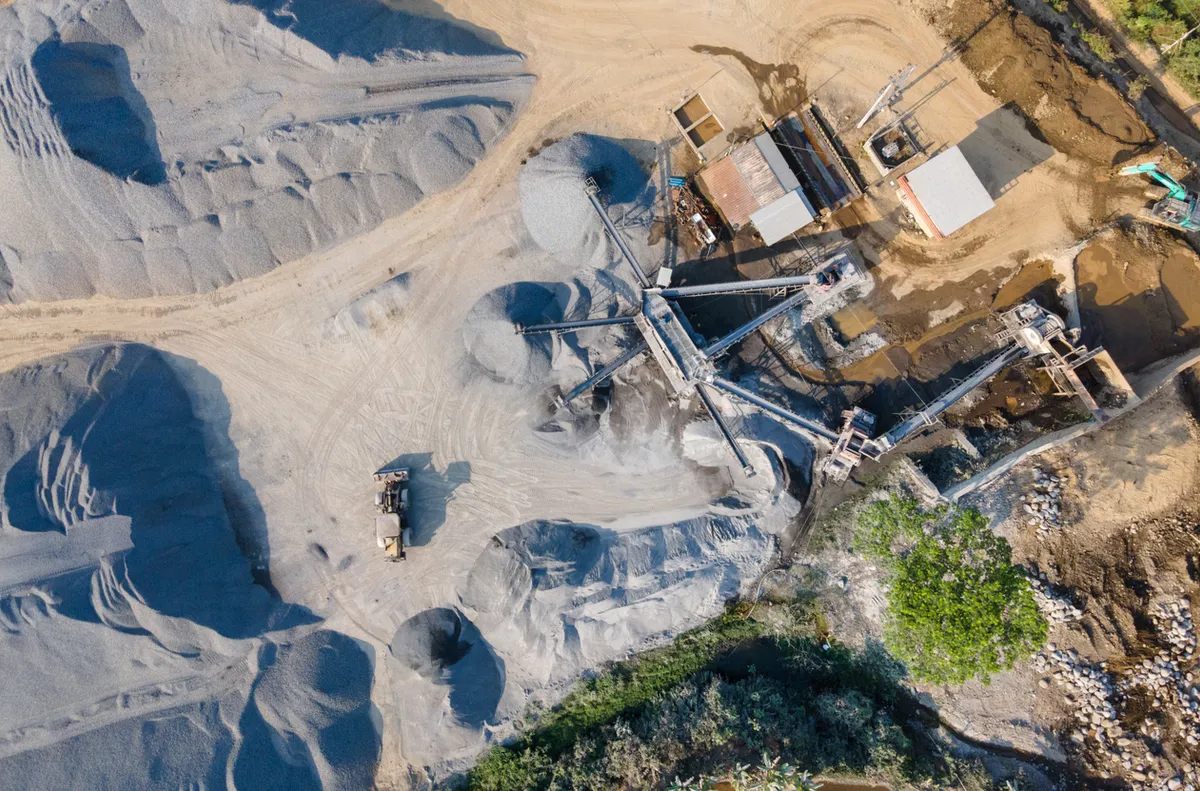
Haul trucks carry blasted rock from the face to the crusher, and the road they run on decides how much each truck can move. Two things about that road matter most: how steep it is, and how much drag it puts on the tyres.
What the study did
A 2021 paper in the Revista de Medio Ambiente y Minería, by two researchers at Vale, measured the speed of Komatsu 830E haul trucks with GPS on a main access road at the Salobo mine in Brazil. The road had three ramps, with grades from 6.3% to 9.92%. Loaded trucks climbed at 11.35 to 17.06 km/h, and empty trucks ran at 20.45 to 28.9 km/h.
Rolling resistance
Rolling resistance is the drag between the tyres and the road surface. From the measured speeds, the authors worked out a coefficient of 0.047 on average for empty trucks and 0.022 for loaded ones, which averages out at 0.034. Their estimate for each 1% increase in rolling resistance was a loss of 23.71 tonnes an hour in productivity and a rise of US$0.025 in the cost of each tonne moved. The authors conclude that roads need to be designed properly and maintained often.
Grade
A steeper ramp shortens the distance between two levels, but it slows loaded trucks on the climb and forces empty trucks to slow on the way down so they can stop safely. In the authors’ model, productivity and cost levelled off from a grade of 11 to 12%. At those grades the average maximum speeds were 9.5 km/h loaded and 22 km/h empty, with productivity of about 700.75 tonnes an hour at a cost of US$0.63 a tonne. They describe 11 to 12% as in line with international recommendations.
Reading it with care
This was one road at one very large mine, with one truck model. A working quarry may run different trucks over different roads, so the numbers show the method and are not targets. What carries over is the point that grade, surface and maintenance each show up in cycle time and in cost per tonne, which makes haul roads worth measuring.