
Industry news
From quarry face to delivery truck: how crushed stone is made
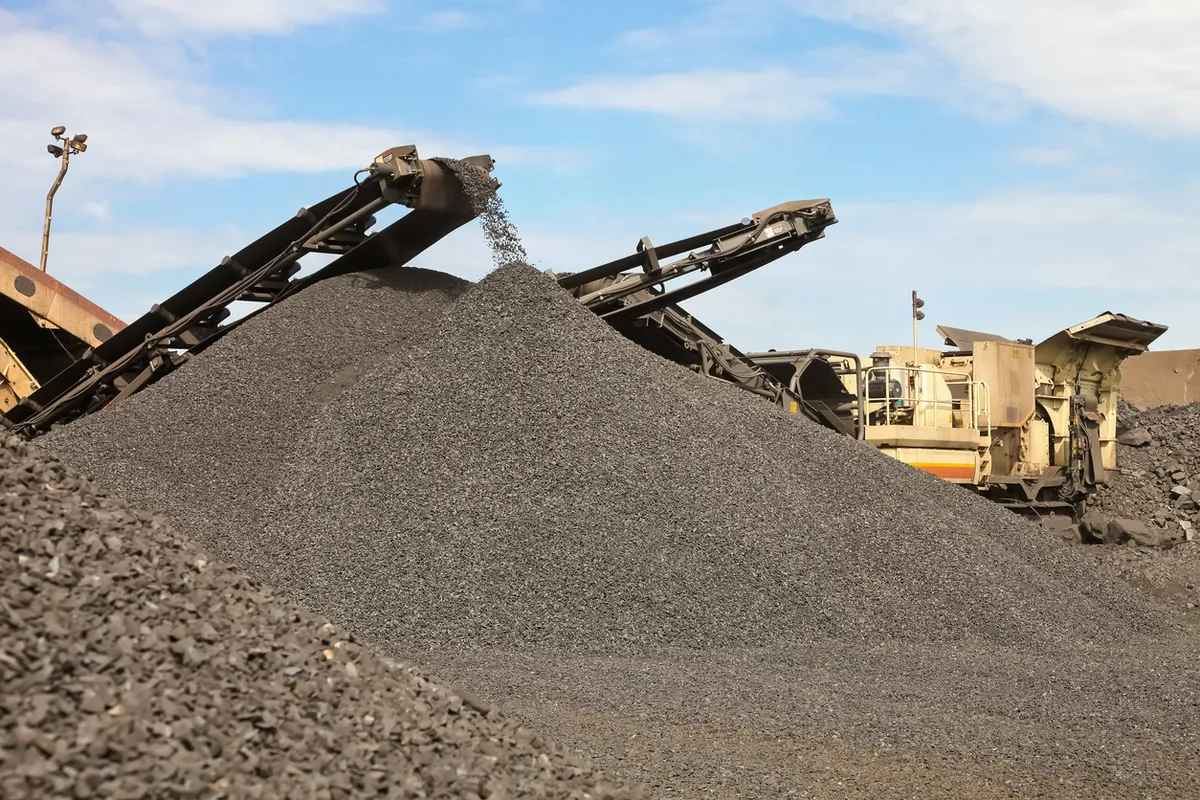
Crushed stone looks simple: rock, in a pile. Getting it there takes several stages, and each one affects the quality of what reaches your site and when it arrives. This is how the work generally runs in a quarry.
Extracting the stone
Rock is loosened at the quarry face, in most quarries by drilling and blasting, and then loaded onto haul trucks. Planning matters here. The way the face is worked decides how much usable stone comes out and how safely.
Primary crushing
Haul trucks tip the rock into a primary crusher, which breaks large pieces down to a size that can travel on a conveyor.
Secondary crushing and screening
Further crushers reduce the stone again. Vibrating screens then sort it into sizes, and anything too large goes back through the crusher.
Stockpiling and loading
Each size is stockpiled separately, so the right grade can be loaded without mixing. Loaders then fill trucks for delivery to construction sites and industry.
Why the stages need to work together
Each stage feeds the next. If crushing falls behind quarrying, stone piles up. If screening is poor, customers receive the wrong sizes. If loading is late, a site waits.
We run each of these stages ourselves, as quarrying, crushing, and processing and supply. That keeps the work coordinated and keeps responsibility in one place, from the quarry face to the delivery truck. It is what we mean by excellence in execution.
The people behind it
Every stage depends on people: drilling and blasting crews, equipment operators, plant technicians, drivers, and the staff who plan the work.