
Stock insights
Limestone price index: what the number measures
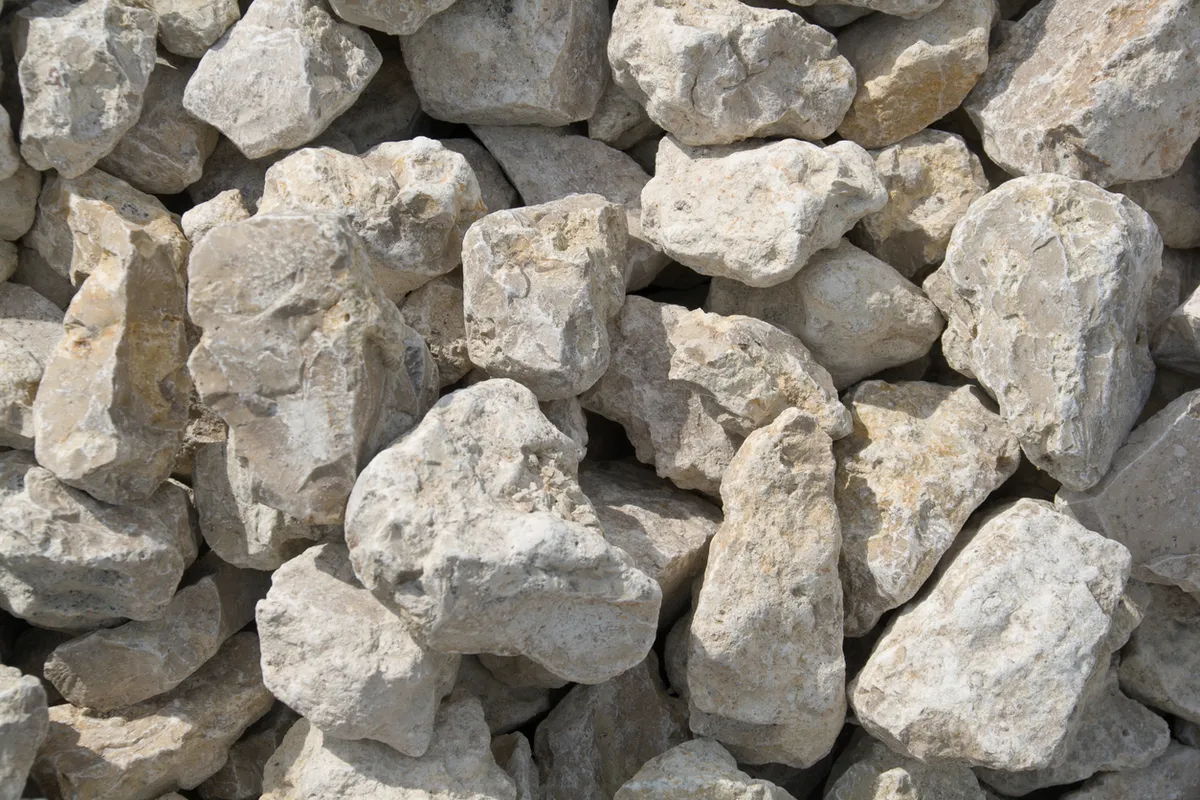
On our home page, the limestone card shows a figure called a producer price index. It is a simple idea with a few details worth knowing, so this note explains what the number measures and how to read it.
What the index measures
A producer price index, or PPI, follows the average selling price that producers receive for what they make. The one we show is published by the U.S. Bureau of Labor Statistics for crushed and broken limestone mining. The series is called PCU212312212312.
It tracks price changes over time. It is not a price list, and it is not a price in naira or dollars. It is a score that moves up when producers receive more for their stone and down when they receive less.
How to read the number
Every PPI series is measured against a base period, which is set to 100. For this series the base is December 1983. A reading of 500, for example, means prices are five times their December 1983 level.
That makes direction and rate of change the useful parts. A rising number means rising prices, and the gap between two readings shows how fast they are moving.
Where limestone stands
As of August 2026 the index reads 528.8, up 6.1% on August 2025, when it stood at 498.4. The latest figures are preliminary, which means the BLS can revise them for up to four months after they are published.
The series is updated monthly, and the card on our home page carries an “as of” date so you can see how current it is.
What it cannot tell you
The index comes from US producers, so it is a benchmark for the wider market. It is not a Grand CCIL price or a Nigerian price. Local prices depend on grade, size, transport and demand where the stone is needed.
Use the index to see which way the market is moving, and speak to us for a quote.