
Stock insights
Nigerian cement volumes: what they say about limestone demand
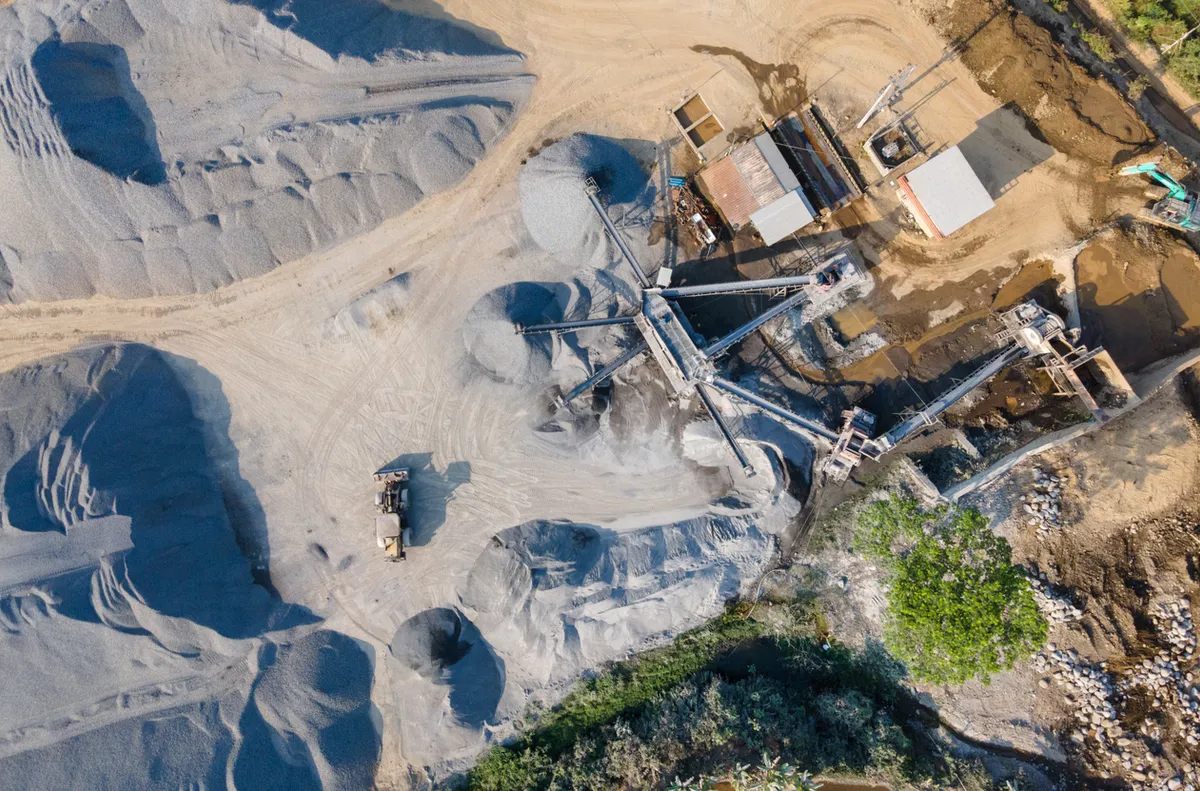
Limestone is the main raw material of cement, so cement volumes are one way to read demand for limestone. Dangote Cement describes itself as Africa’s largest cement producer and publishes results every quarter, which makes its figures a useful reference.
The figures
On 29 July 2026 the company published unaudited results for the six months to 30 June 2026 through the Nigerian Exchange. For its Nigerian operations:
- Sales volume was 9.7 million tonnes (Mt), up from 9.0 Mt a year earlier. Domestic cement volume grew 8.3%.
- Revenue rose 25.2% to ₦1,805.3 billion.
- Exports of cement and clinker rose 62.3% to 1.1 Mt, including 754.0 thousand tonnes of clinker shipped to Cameroon and Ghana.
Revenue grew about three times as fast as volume. That means higher average prices, a changing product mix, or both. The company credits improved market execution, strategic pricing and sustained demand in key segments.
Capacity being added
The company’s Nigerian capacity is 35.25 million tonnes a year: Obajana 16.25, Ibese in Ogun State 12, Gboko 4 and Okpella 3. A new 6 million tonne plant at Itori in Ogun State is described as at an advanced stage, with completion expected before the end of 2026.
What it says about limestone
Rising cement volumes mean more limestone is being quarried and burned. But the release describes Dangote Cement as a “fully integrated quarry-to-customer producer”, so it mines its own limestone. Its volumes show how strong construction demand is more than they show demand for limestone bought from other quarries.
Cement is also only one use. In the US, the USGS reports that about 72% of crushed stone goes into construction aggregate and 17% into cement. We have not found a published split for Nigeria. Our note on who buys limestone sets out the main uses.
Reading it with care
These are company-reported, unaudited figures for six months, compared with the same six months of the year before. They describe one producer, and they are not investment advice.