
Stock insights
Who buys limestone: the main uses and what each one needs
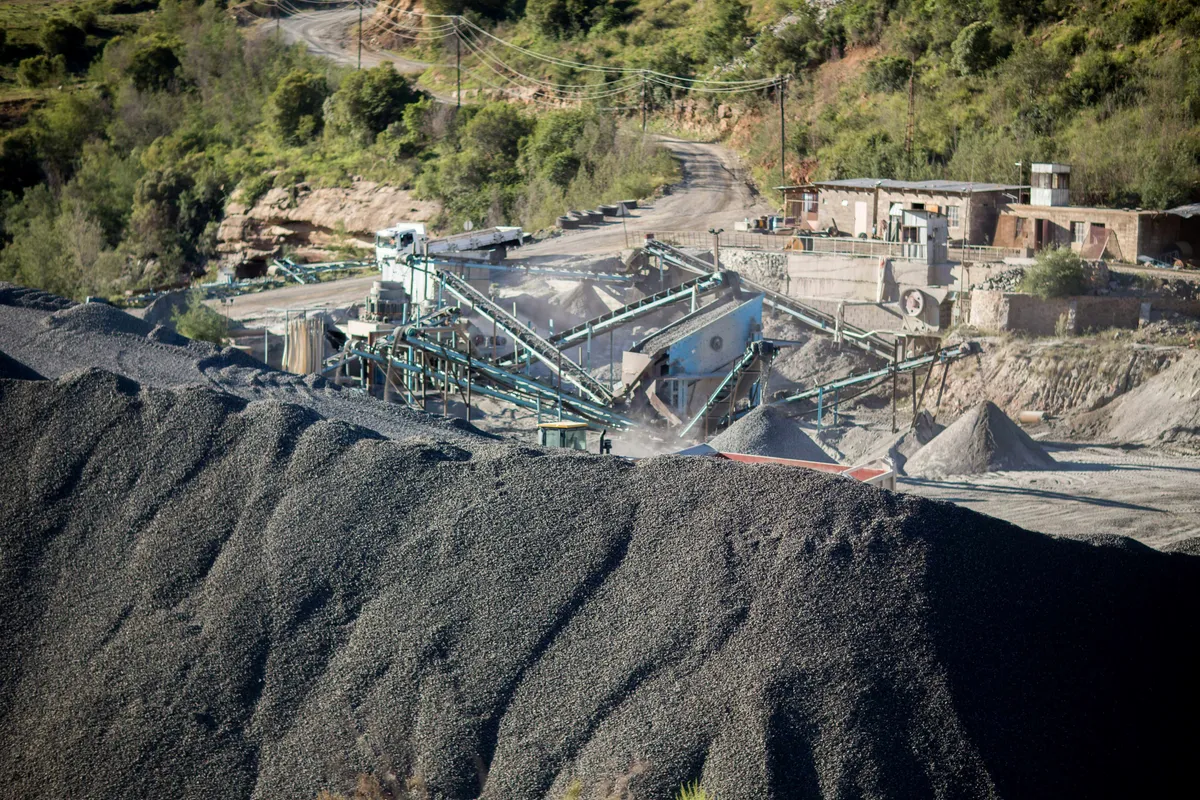
Limestone is sold into several markets, and each wants something different from it. The best published split we found is American, so we use it as a guide to the shape of the market and not as a forecast for Nigeria.
The US split
The USGS estimates that the US produced about 1.5 billion tons of crushed stone in 2025, and that about 70% of it was limestone and dolomite. Its breakdown by use covers all crushed stone:
- Construction aggregate, mostly road building and maintenance: 72%.
- Cement manufacturing: 17%.
- Lime manufacturing: 6%.
- Agriculture: 1%.
- Other chemical, special and miscellaneous uses: 4%.
Aggregate: size and shape
Aggregate customers buy by size, and particle shape matters too. That is one reason the choice of crusher matters, which our note on jaw and impact crushers looks at.
Cement: chemistry
Cement makers buy on chemical analysis. One published example is the norm from India’s National Council for Cement and Building Materials, reproduced in the Indian Minerals Yearbook 2012. For ordinary Portland cement it asks for 44 to 52% calcium oxide and no more than 3.5% magnesium oxide. Our note on cement-grade limestone goes through it.
Steel and chemicals: purity
The same yearbook says limestone used as a flux in a blast furnace should usually be at least 90% calcium carbonate. The USGS adds that the supply of high-purity limestone and dolomite for specialty uses is limited in many geographic areas.
What it means for buyers
A quarry’s stone does not suit every market. Which ones it can serve depends on its chemistry and on the size grades its plant produces. A buyer should ask any supplier for both the size grades and a chemical analysis before ordering.